
Changing Bunker Routes Could Create New Opportunities For SA Ports
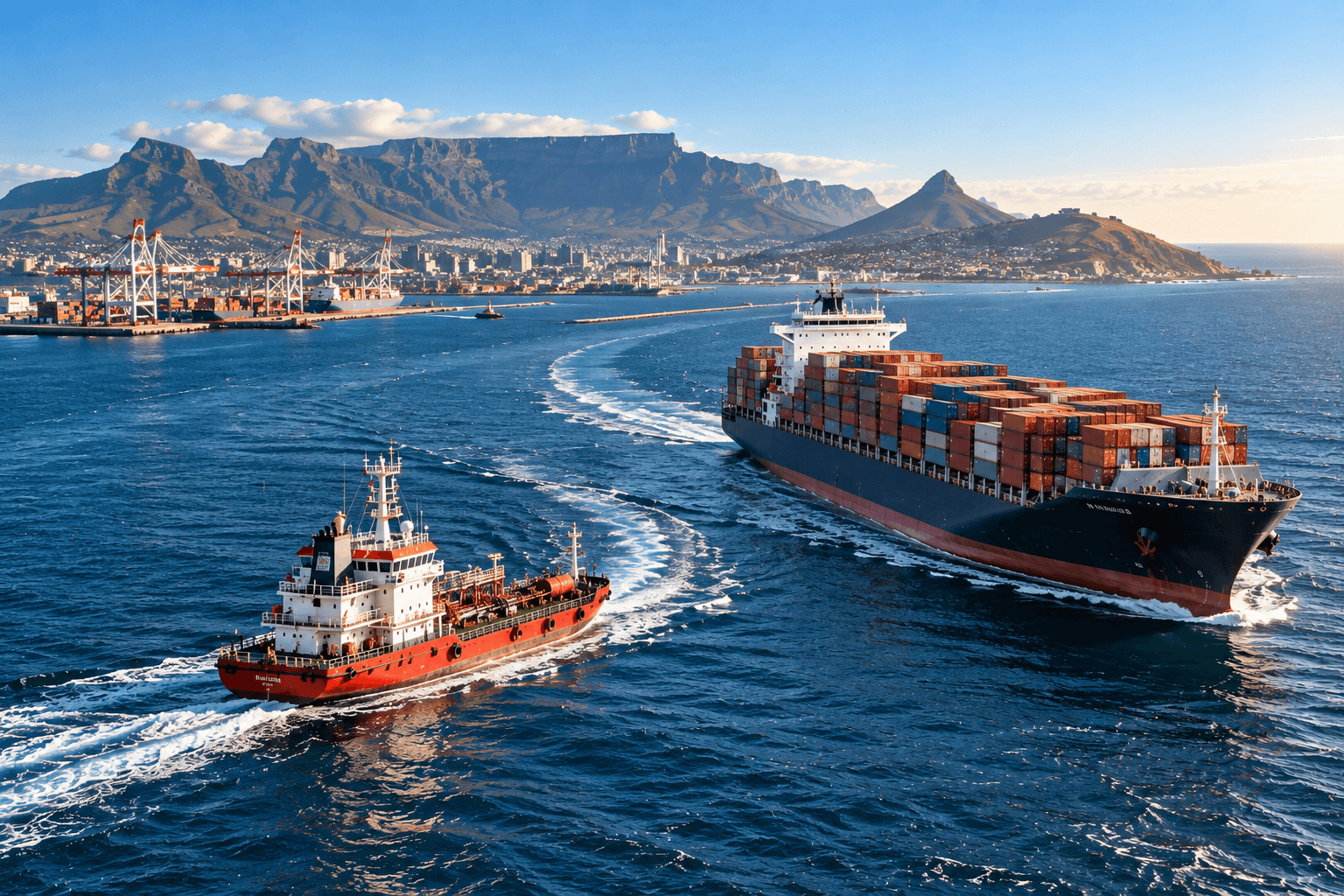
Bunker Routes
Global shipping disruptions are changing where vessels sail and refuel. As operators explore alternative stops, South African ports could have opportunities to meet more of their needs along the way. For ship chandlers in South Africa, those requirements could range from fresh provisions and crew essentials to technical stores and replacement equipment.
Bunkering simply means supplying a ship with fuel. Decisions about where to buy that fuel depend on price, availability, safety, and the vessel’s route. When those factors change, procurement teams may need to reconsider other supply arrangements too.
Recent reporting points to shifts in global bunker purchasing. South Africa’s maritime supply industry has reason to pay attention, while recognising that additional business will depend on how well individual ports and suppliers meet operators’ requirements.
Why Are Global Bunkering Patterns Changing?
Middle Eastern disruption is prompting operators to reconsider where and how they purchase marine fuel. Reuters recently reported that buyers were favouring shorter commitments and exploring alternative locations. Industry executives identified more frequent use of Port Louis, Colombo and Salalah, alongside emerging demand in Africa.
Supply pressures add another consideration. A separate Reuters report on fuel-oil availability described constraints affecting supplies from the Middle East and Russia.
For procurement teams, these conditions make flexibility valuable. Fuel availability can influence the next stop, which may then require a fresh look at provisions, stores and delivery arrangements.
ALSO SEE: The Hidden Costs of Shipping Delays (Why Efficient Ship Chandling Matters More Than Ever)
Could South African Ports Benefit?
South Africa’s position on routes around the Cape of Good Hope makes its maritime services relevant to vessels travelling between the Atlantic and Indian oceans. For operators comparing bunkering ports in Africa, however, geography forms only part of the decision.
Fuel availability, pricing, capacity and operational reliability all influence whether a stop makes commercial sense. The availability of marine supplies can be another consideration when several requirements need attention.
Durban and Cape Town are relevant locations to consider, alongside Algoa Bay. Peninsula’s announcement of its Algoa Bay supply expansion provides background on the latter’s bunkering role. Link’s coverage includes nearby Port Elizabeth and Coega.
There is evidence of a regional opportunity. In Reuters’ report from 15 October, Bunker Holding described stronger African sales linked to Cape diversions, while questioning whether that demand would persist. This does not establish increased chandling demand at individual South African ports.
An offshore bunker stop also differs from a berth-side call. Any additional delivery needs suitable arrangements, permissions and operating conditions.
The Opportunities Extend Beyond Marine Fuel
Once a vessel adds or changes a stop, its procurement team has an opportunity to review what else is needed before the next voyage leg. Crew numbers, stock levels, revised sailing times and outstanding maintenance requirements can all inform that assessment.
The list may include:
- Fresh, frozen and dry provisions: Food and beverages selected around quantities, dietary requirements, storage capacity and the expected voyage.
- Deck equipment: Ropes, tools and other items needed for routine work aboard.
- Engine parts and technical supplies: Spares and consumables matched to the vessel’s specifications.
- Cabin and cleaning supplies: Everyday essentials that support hygiene and life on board.
- Safety equipment: Required items checked against the vessel’s specifications and applicable standards.
These categories form part of Link Ship Chandlers’ published supply offering. The practical value lies in reviewing requirements together. For example, a hypothetical vessel revising its refuelling stop might also need additional food for a longer passage and a replacement technical component. Sharing both requirements early gives the supplier time to check availability and propose a workable delivery plan.
Coordinated vessel provisioning could help crews make productive use of the stop. It should never be assumed, however, that every item can arrive alongside the fuel or within the same operating window.
LEARN MORE: South Africa’s Ship Repair Revival Is Gathering Momentum
Why Efficient Ship Chandling Matters
A short-notice route change can leave little time to source unfamiliar products or correct an incomplete order. Effective ship chandling services therefore start with precise information.
Operators and agents should share the vessel’s expected arrival, delivery location, required quantities and product specifications as early as possible. For technical items, part numbers, photographs and clear descriptions can help suppliers assess the request. Any proposed substitution needs approval before dispatch.
Communication must continue as the schedule develops. A change in arrival time may affect fresh-food preparation, transport arrangements or access to the vessel. Suppliers need a reliable contact who can confirm revised instructions.
Our earlier discussion of Cape Town port turnaround times explores why predictable operating windows matter. The same planning principle applies when arranging ship supplies in South Africa: a well-prepared order still needs a realistic delivery window.
READ NEXT: How 58-Hour Ship Calls Are Reshaping South Africa’s Marine Supply Chain
Preparing For New Maritime Opportunities
For local suppliers, readiness means understanding what can be sourced, how long it will take and which delivery arrangements are feasible. Accurate quotations, clear availability checks and prompt updates help procurement teams make informed decisions.
Coverage across several locations can also support conversations when itineraries change. Alongside the ports discussed above, Link serves vessels calling at Saldanha, Richards Bay and East London. These are supply locations, rather than evidence that every port is experiencing a bunkering surge.
The opportunity for maritime supply services will depend on individual vessel requirements and the ability to fulfil them reliably.
ALSO SEE: The Green Shipping Revolution Is Coming To Africa: What Ship Owners Need To Know
Supporting Vessels In A Changing Maritime Landscape
Shifting fuel-purchasing patterns could bring new opportunities to South Africa’s broader maritime supply industry. Turning those opportunities into useful support for vessels requires responsive sourcing, accurate specifications and dependable coordination.
At Link Ship Chandlers, we supply provisions, parts and equipment across South Africa’s key ports. If your route or replenishment plans are changing, contact our team to discuss your ship supply requirements and delivery arrangements.


Leave a Reply