
How To Plan Your Cruise Ship Replenishment For A Smoother Port Call
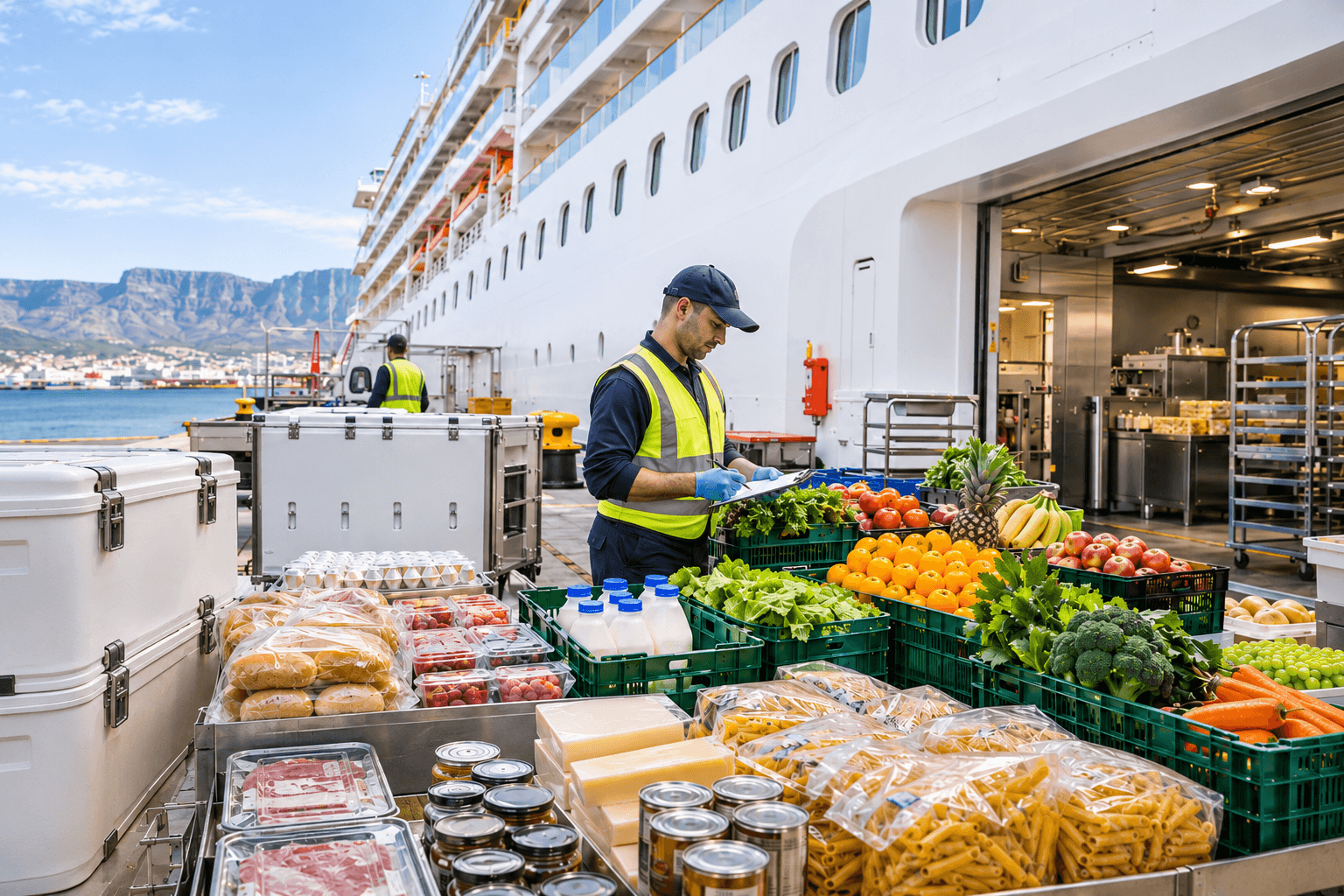
Cruise Ship Replenishment
Picture a cruise ship alongside in Cape Town. Passengers head ashore for a day of sightseeing while supply teams prepare the food, beverages, and everyday essentials needed for the next voyage. This is where cruise ship provisioning brings a less visible part of the journey into focus.
Bunkering simply means supplying a ship with fuel. Decisions about where to buy that fuel depend on price, availability, safety, and the vessel’s route. When those factors change, procurement teams may need to reconsider other supply arrangements too.
Recent reporting points to shifts in global bunker purchasing. South Africa’s maritime supply industry has reason to pay attention, while recognising that additional business will depend on how well individual ports and suppliers meet operators’ requirements.
A Successful Replenishment Starts Before Arrival
A useful supply plan starts with a clear picture of the voyage ahead. Passenger and crew numbers help establish demand, while menus, existing stock and the next planned replenishment help determine what needs ordering.
When arranging cruise provisioning in South Africa, sharing the following details early gives your chandler a stronger basis for quoting and sourcing:
- People and voyage plans. Expected passenger and crew numbers, voyage duration and the next opportunity to take on supplies.
- Stock and storage. What is already aboard and how much chilled, frozen and dry storage space is available.
- Product requirements. Quantities, brands where specified, pack sizes and units of measure. Twelve cases and twelve individual items make very different orders.
- Dietary needs and menus. Cultural preferences, dietary requirements and products that need particular specifications confirmed.
- Port-call arrangements. Intended port, expected arrival, proposed delivery timing, departure time, and the appropriate receiving contact.
These details often sit with different people. The chief cook may hold the menu requirements, shoreside procurement the approved specifications, and the ship’s agent the latest port-call information.
Bringing those inputs together early helps the supplier prepare an accurate response. If quantities, specifications, or timings change, communicating promptly gives everyone time to adjust the plan.
ALSO SEE: Changing Bunker Routes Could Create New Opportunities For SA Ports
One Vessel Has Many Different Supply Needs
A cruise vessel’s supply list reflects the people who live and work aboard. The galley needs fresh produce, chilled and frozen foods, dry ingredients and beverages. Housekeeping needs cabin essentials and cleaning supplies, while other departments may require stationery, operational consumables, technical stores or replacement parts. Appropriate bonded goods can also form part of the order.
Within the galley alone, marine food and beverage supplies need to support varied menus and preferences. Familiar ingredients can matter to crew members spending months away from home, while passenger menus may call for particular flavours, brands or dietary options.
Our food and beverage provisions include specialised ethnic foods and products for cultural and religious dietary requirements. Availability, specifications and any required certification should be confirmed when ordering.
Specific requests give sourcing teams something useful to work with. Naming the ingredient, preferred brand, pack size and acceptable alternatives helps clarify what is needed. Where a product must meet a dietary requirement, that detail belongs in the original enquiry so it can inform sourcing from the start.
LEARN MORE: The Hidden Costs of Shipping Delays (Why Efficient Ship Chandling Matters More Than Ever)
Freshness And Storage Shape The Order
An order can contain the right quantities and still be difficult to accommodate aboard. Planning ship provisions means considering where products will be stored, when they will be used and which items need particular handling.
Fresh produce should suit the planned menus and expected consumption, with frozen and shelf-stable options helping cover needs later in the voyage. Available freezer and chilled-storage space will influence that balance.
Shelf life and packaging also deserve attention before an order is finalised. A larger pack may require more space once opened or be awkward for the galley’s daily use. Communicating temperature and handling requirements gives the supplier clear specifications to work towards.
Substitutions need the same care. For example, if a requested sauce is unavailable, an alternative could contain different allergens or come in a much larger container. It needs approval from the appropriate onboard or procurement contact before being accepted as a replacement.
Agreeing who can approve changes, and which products cannot be substituted, gives the sourcing team clear direction and helps avoid last-minute decisions at the delivery handover.
READ NEXT: South Africa’s Ship Repair Revival Is Gathering Momentum
The Port Call Brings The Plan Together
During a port call, the vessel may be receiving supplies alongside passenger movements, maintenance and other scheduled activities. Cruise vessel replenishment needs to fit into that programme, with delivery arrangements confirmed between the supplier, vessel and ship’s agent.
Before dispatch, everyone should know where and when the delivery is expected, who will receive it and which arrangements still need confirmation. If the vessel’s schedule changes, that update needs to reach the people preparing and transporting the order promptly.
Clear paperwork supports the handover. Product descriptions, quantities and pack sizes should be easy to reconcile against the agreed order, with any approved substitutions recorded. Missing items, unexpected products or quantity differences should be raised promptly so the teams can establish what happened and discuss the next step.
As we explain in our ship chandling FAQs, a chandler specialises in supplying provisions and equipment. That contribution depends on close coordination with the people managing the port call, who remain responsible for matters such as berthing, access and the vessel’s departure arrangements.
ALSO SEE: The Green Shipping Revolution Is Coming To Africa (What Ship Owners Need To Know)
Planning Your Next Cruise Replenishment With Link
A well-prepared supply list gives everyone a useful starting point. Turning it into a workable order takes local sourcing knowledge, attention to specifications and clear communication with the people planning the vessel’s call.
At Link, our work as ship chandlers in South Africa brings those requirements together. We supply cruise liners and other vessels with provisions, equipment, stores and spare parts, helping procurement teams source suitable products for the voyage ahead.
That process starts with understanding what your vessel needs. Which products must match an exact specification? Where could an approved alternative work? What needs clarification before the order can move forward? Resolving these details early helps us establish availability and coordinate supply around the planned port call.
Whether you are preparing a galley order or bringing together requests from several departments, an early conversation gives us time to work through the details with you.
Contact our team with your vessel requirements, intended port, expected arrival date, and supply list. We can then discuss sourcing and delivery arrangements for your upcoming cruise replenishment.


Leave a Reply