
South Africa Logistics Pulse Check (Part II): Why Infrastructure Recovery Matters
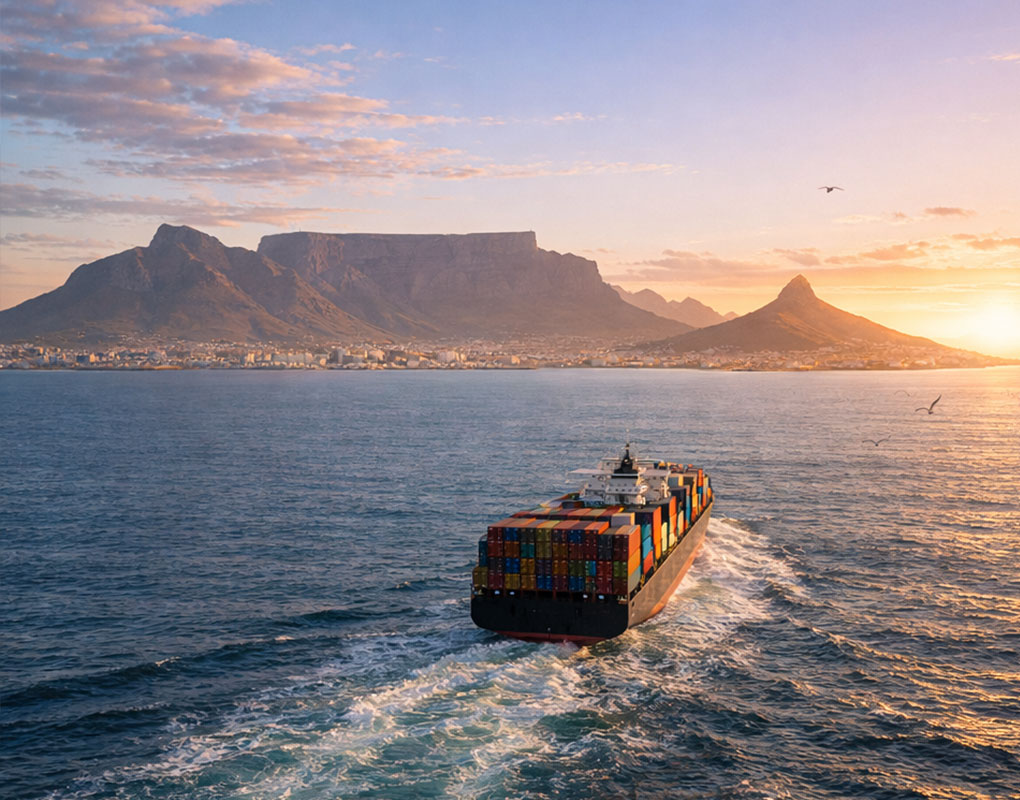
South Africa Logistics Pulse Check: Why It Matters for Exporters
South Africa’s logistics system sits at the centre of the country’s export economy. Minerals, agricultural produce, manufactured goods, and energy commodities all rely on an interconnected network of rail corridors, ports, roads, and power infrastructure to reach global markets.
In the first article of this Logistics Pulse Check series, we examined early signals that South Africa’s logistics ecosystem may be stabilising after years of decline. Rail performance has shown signs of improvement, port operations are beginning to steady, and energy reliability has strengthened in recent months.
The next question is more practical. Why do these developments matter to exporters, logistics providers, and maritime operators working within South Africa’s supply chains? For industries that rely on reliable infrastructure to move goods across continents, even incremental improvements can reshape planning, scheduling, and competitiveness.
The Backbone Of South Africa’s Export Economy
Logistics infrastructure plays a defining role in South Africa’s ability to compete in international trade. Mining exports, agricultural shipments, and manufactured goods all depend on efficient transport corridors linking inland production centres to coastal ports.
For bulk commodities such as coal and iron ore, rail corridors are the lifeline that moves cargo from mines to export terminals. Agricultural exports rely on temperature-controlled logistics chains that connect farms and packhouses to port facilities. Manufactured goods depend on container networks that move products efficiently from factories to shipping lanes.
Ports such as Richards Bay, Durban, and Cape Town anchor this system by connecting South African producers to global shipping routes. When these logistics corridors function efficiently, exporters gain reliability and predictability in reaching international markets.
When infrastructure falters, however, export competitiveness can deteriorate quickly. Shipping delays, cargo backlogs, and infrastructure bottlenecks all increase the cost and complexity of doing business.
For that reason, exporters and logistics providers watch infrastructure performance closely. Improvements in the logistics network can have immediate consequences for supply chain planning.
READ NEXT: SOE Reform And The Shipping Outlook As Transnet Charts A New Course
Signs Of Recovery Across The Logistics Network
Across the logistics ecosystem, recent developments suggest that certain operational pressures may be easing.
Rail performance across parts of the freight network has begun to stabilise, with gradual increases in rail volumes indicating that capacity constraints may be loosening after several years of decline.
At the same time, broader logistics reforms are gaining traction. Efforts to introduce private sector participation in freight rail operations aim to open key corridors to additional operators and attract new investment into the network [link out to Daily Investor].
Infrastructure investment programmes are also beginning to move forward. Upgrades to rail corridors, terminal equipment, and port logistics infrastructure are intended to improve cargo flow between inland exporters and coastal ports.
These developments do not represent a complete turnaround, but they do suggest that the logistics system may be entering a period of gradual operational recovery. For exporters and shipping operators, that shift has practical implications.
Why Exporters And Logistics Providers Are Watching Closely
Logistics efficiency plays a central role in determining export competitiveness. When infrastructure functions reliably, exporters can plan production schedules and shipment timelines with greater confidence.
For shipping lines and port operators, infrastructure stability reduces the risk of unpredictable cargo flows that can disrupt vessel schedules. Improved rail reliability, for example, helps ensure that export cargo arrives at ports in a more consistent manner, reducing the risk of last-minute congestion.
Maritime service providers feel these improvements as well. Ship chandlers, provisioning suppliers, and port service companies depend on accurate scheduling to deliver supplies and services within narrow operational windows. Greater predictability in cargo movements can translate into smoother port operations and more efficient coordination between vessels and port-side services.
In practical terms, logistics stability reduces uncertainty across the supply chain. Exporters gain improved planning horizons, shipping companies experience fewer operational disruptions, and maritime service providers can manage logistics with greater precision.
LEARN MORE: MSC Steams Ahead In South Africa’s Rail Revival
The Role Of Energy Stability In Logistics Performance
Energy supply plays an often-overlooked but essential role in logistics performance. Port terminals, warehouses, refrigeration facilities, and cargo handling equipment all depend heavily on a stable electricity supply.
Recent reporting indicates that energy reliability has improved, with Eskom’s energy availability factor increasing and unplanned outages declining significantly compared to previous years. National financial reporting has also shown that Eskom has returned to profitability after several years of losses, reflecting operational improvements across the utility.
For logistics operators, the implications are significant. Reduced power disruptions mean fewer interruptions to cargo handling equipment, cold storage systems, and port terminal operations. Stable electricity supply also improves planning reliability for exporters whose goods depend on temperature-controlled storage and processing.
Energy reliability alone does not solve logistics challenges, but it removes a major source of operational risk that previously complicated supply chain planning.
What Still Needs To Improve
Despite encouraging signals, South Africa’s logistics recovery remains fragile.
Infrastructure across the rail network continues to face maintenance backlogs and capacity limitations. Port equipment upgrades and terminal expansions are still needed to keep pace with growing cargo volumes.
Policy reforms aimed at opening the rail network to greater private sector participation are progressing, but their success will depend on sustained implementation and regulatory clarity.
Industry analysts also caution that while operational indicators are improving, these gains have not yet translated into broader economic growth. Without continued investment and execution, progress across the logistics system could stall before meaningful transformation takes hold.
For exporters and logistics providers, the situation therefore remains one of cautious optimism rather than certainty.
ALSO SEE: Ship Chandling Services South Africa: Rail On Track & Ports Powering Up
The Next Phase In South Africa’s Logistics Story
Taken together, recent developments suggest that South Africa’s logistics system may be entering a period of stabilisation after years of operational strain. Early improvements in rail performance, infrastructure investment, and energy reliability are beginning to restore confidence across parts of the supply chain.
For exporters, shipping operators, and maritime service providers, these changes matter because logistics reliability underpins global trade. Efficient corridors between inland production centres and coastal ports remain essential to maintaining South Africa’s competitiveness in international markets.
In the next article in this Logistics Pulse Check series, we will examine one of the most visible operational challenges facing maritime trade in South Africa today: port congestion and container turnaround times, and whether recent improvements are beginning to ease pressure at the country’s busiest terminals.


Leave a Reply