
The Green Shipping Revolution Is Coming To Africa: What Ship Owners Need To Know
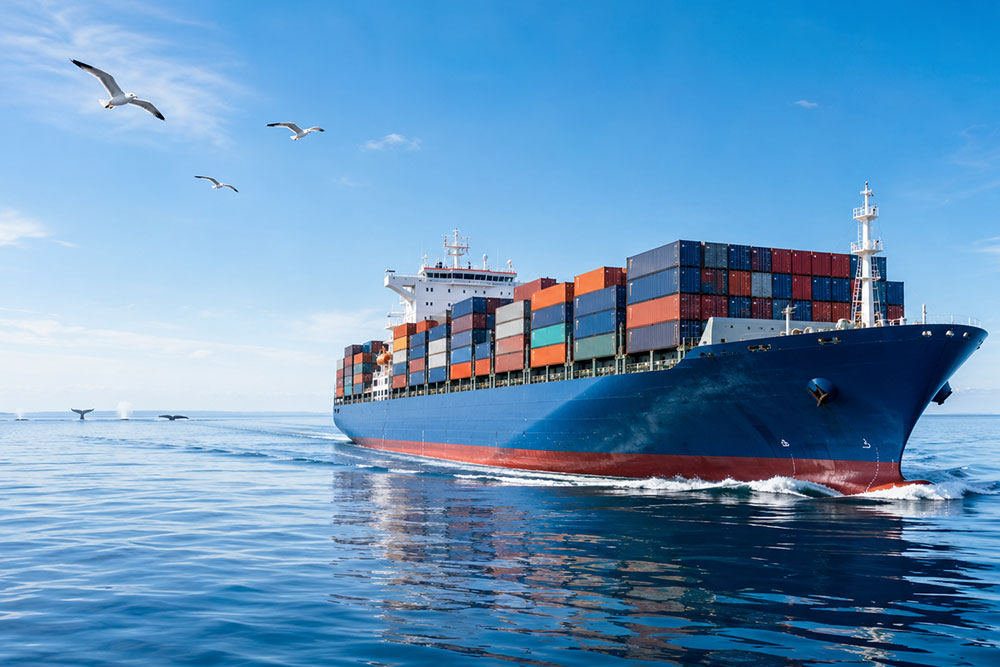
Green Shipping Trends Shaping African Maritime Operations
Global shipping is entering a period of significant change. New regulations, emerging fuel technologies and evolving customer expectations are reshaping how vessels operate around the world. While much of the attention has focused on developments in Europe, Asia and North America, these changes are increasingly relevant for operators calling at African ports too.
The timing is important. Shipping remains the backbone of global trade, moving an estimated 80% to 95% of the world’s goods. At the same time, the industry faces growing pressure to reduce greenhouse gas emissions and improve environmental performance.
For vessel operators, fleet managers, procurement teams and marine superintendents, the conversation is no longer confined to international conferences and policy discussions. Decisions being made today could influence everything from future fuel choices and vessel upgrades to reporting requirements, port services and supply chain planning.
Africa is becoming part of that conversation. More than 200 representatives from 35 African nations recently gathered in Mombasa, Kenya, to discuss practical measures for implementing the International Maritime Organization’s greenhouse gas reduction strategy across the continent.
While many details are still evolving, vessel operators trading in African waters would be wise to start paying attention now.
Why The Shipping Industry Is Under Pressure To Decarbonise
The maritime industry has long been recognised as one of the most efficient ways to move goods globally. However, it is also responsible for roughly 2.5% to 3% of global greenhouse gas emissions, placing increasing pressure on the sector to improve its environmental performance.
Regulators are playing a role, but they are not the only driver of change. Cargo owners, charterers, investors and customers are increasingly looking for lower-emission supply chains. In many cases, sustainability considerations are becoming part of broader commercial decision-making.
The International Maritime Organization (IMO), the United Nations agency responsible for regulating international shipping, has responded through a series of measures aimed at reducing emissions across the sector. These efforts form part of a wider industry transition that encourages greater efficiency, cleaner fuels and improved operational performance.
For vessel operators, the practical implications matter most. Future competitiveness may depend not only on cargo capacity and operating costs but also on how effectively vessels adapt to a changing regulatory and commercial environment.
ALSO SEE: SOE Reform And The Shipping Outlook As Transnet Charts A New Course
The IMO’s Net-Zero Roadmap And What It Means For Shipping
The IMO’s revised greenhouse gas strategy sets an ambition for international shipping to achieve net-zero emissions by or around 2050. Along the way, the industry faces a series of progressively stricter emissions reduction targets designed to encourage continuous improvement rather than one-off compliance measures.
The proposed IMO Net-Zero Framework introduces a global fuel standard and a pricing mechanism linked to greenhouse gas emissions. While discussions around formal adoption continue, the direction of travel is becoming increasingly clear.
For vessel operators, this means long-term planning will become even more important. Future decisions may involve:
- Evaluating vessel upgrade opportunities
- Improving operational efficiency
- Assessing future fuel options
- Considering emissions performance during fleet planning
- Preparing for evolving reporting requirements
For many operators, the journey towards lower-emission operations may begin with efficiency improvements rather than major fleet changes. Measures such as route optimisation, hull maintenance, digital monitoring systems and improved vessel performance can help reduce fuel consumption while supporting future compliance goals.
As Caspar Herzberg, CEO of industrial software company AVEVA, noted during a recent interview, “Profitability and sustainability do go hand in hand.”
Industry experts are also paying close attention to technologies such as predictive analytics, digital twins and advanced fleet optimisation tools, which can help operators identify efficiency gains across entire fleets.
Importantly, uncertainty still exists around the precise implementation timeline of future regulations. However, work on implementation guidelines continues, and many shipping companies are already preparing for a future in which emissions performance becomes an increasingly important operational consideration.
Alternative Marine Fuels Are Reshaping The Industry
Alternative fuels have become one of the most closely watched areas of maritime innovation. While no clear winner has emerged, several options are attracting significant investment and industry attention.
Green Methanol
Green methanol is gaining traction as a potential lower-emission fuel option for international shipping. Its growing popularity stems partly from its relative ease of storage and handling compared to some alternatives.
However, widespread adoption will depend on factors such as fuel availability, production capacity and bunkering infrastructure. As more vessels are ordered with methanol capability, ports and fuel suppliers will need to adapt accordingly.
Green Ammonia
Green ammonia is widely viewed as a promising candidate for deep-sea shipping due to its potential to deliver significant emissions reductions.
At the same time, ammonia introduces important safety and handling considerations. Storage requirements, crew training and port infrastructure will all play a role in determining how quickly adoption occurs.
The industry continues to explore these challenges while advancing technologies that support ammonia-powered operations.
LEARN MORE: South Africa Still Anchors Global Shipping Routes In 2026 And Beyond (Here’s Why)
LNG And Transitional Fuels
Liquefied Natural Gas (LNG) has already seen significant adoption in parts of the global shipping industry.
Many operators view LNG as a transitional fuel that can help reduce emissions while alternative fuel markets continue to mature. Its existing infrastructure advantages have supported uptake, although questions remain regarding its long-term role within a net-zero shipping framework.
Biofuels
Biofuels are attracting growing interest because they may offer a more practical pathway for certain operators.
One advantage is their potential compatibility with existing vessels and engines, reducing the need for extensive modifications. For operators seeking near-term emissions reductions, biofuels may provide a useful option while longer-term fuel strategies continue to develop.
What remains clear is that fuel availability will be just as important as fuel technology. According to IMO experts, alternative fuels such as methanol and ammonia show considerable promise, but consistent availability across ports remains an important consideration for vessel operators.
How African Ports Are Preparing For The Green Shipping Era
While much of the global conversation focuses on major hubs in Europe, Asia and the Middle East, African ports are also assessing how they may support the shipping industry’s evolving environmental and operational requirements.
In South Africa, ports such as Saldanha, Cape Town, Coega, Port Elizabeth, East London, Durban and Richards Bay form part of the broader maritime ecosystem that could be influenced by future infrastructure investments, energy transition initiatives and changing vessel requirements.
Across the continent, maritime authorities, port operators and policymakers are exploring how ports can become more resilient, efficient and environmentally responsible. Recent discussions have focused on several key priorities, including:
- Sustainable port development
- Alternative fuel production and availability
- Maritime infrastructure investment
- Seafarer training and skills development
- Green shipping employment opportunities
At the same time, African stakeholders are working towards greater alignment on sustainable port development through initiatives such as the emerging Green Ports framework. Discussions have highlighted the need to modernise ageing infrastructure, improve digitalisation and strengthen climate resilience across the continent’s maritime sector.
The pace of implementation will vary from port to port, and significant challenges remain. Nevertheless, the direction of travel suggests that environmental considerations will become an increasingly visible part of port planning and maritime development across Africa.
READ NEXT:Lifting The Load: What The New RTG Cranes Mean For South Africa’s Export Economy
What Could Change For Vessel Operators Visiting African Ports?
Many of the most significant impacts of the industry’s environmental transition are likely to be operational rather than technological. For vessel operators, several areas warrant close attention.
Vessel Operations
Emissions reporting requirements are expected to become increasingly important. The proposed IMO framework introduces annual greenhouse gas fuel intensity reporting requirements, creating a stronger focus on emissions data, fuel performance and compliance monitoring.
Operators may also need to pay closer attention to fuel certification requirements, emissions documentation and environmental performance metrics as reporting systems continue to evolve.
Port Services
Future fuel availability may gradually become a more important consideration when planning voyages and port calls. As alternative fuels gain traction globally, ports will need to assess how they support future bunkering requirements and related infrastructure needs.
Environmental compliance support, waste management services and sustainability-focused operational practices may also become more prominent across the maritime ecosystem.
Procurement And Supply Chains
The environmental performance of supply chains is receiving greater scrutiny across many industries. As a result, vessel operators may increasingly look for suppliers that can demonstrate reliability, transparency and responsible operational practices. Procurement decisions are likely to become part of broader sustainability conversations alongside cost, quality and service delivery.
Efficiency Will Continue To Matter
While alternative fuels attract much of the attention, efficiency improvements remain one of the most practical opportunities available today. Industry experts continue to explore solutions such as advanced routing systems, hull cleaning programmes, drag-reduction technologies and predictive analytics.
These measures can reduce fuel consumption, improve vessel performance and support emissions reduction goals without requiring immediate fleet-wide transformation.
The Role Of Ship Chandlers In A Changing Maritime Landscape
As shipping operations become more complex, vessel operators increasingly rely on trusted partners throughout the port call process.
Reliable sourcing, responsive logistics, efficient provisioning and strong local knowledge all contribute to smoother vessel operations. As reporting requirements, supply chain expectations and operational demands evolve, consistency and reliability become even more valuable.
The maritime energy transition may introduce new considerations for vessel operators, but the fundamentals remain unchanged. Crews still require provisions, vessels still require stores, and operators still depend on efficient turnaround times to keep schedules on track.
In that environment, proactive maritime support partners can help reduce operational friction and support more efficient vessel operations.
Looking Ahead: The Next Decade Of Green Shipping In Africa
The green shipping transition is steadily moving from long-term ambition to operational reality. Alternative fuels continue to develop, environmental regulations continue to evolve, and African ports are increasingly engaging with conversations around sustainability, infrastructure and future maritime requirements.
The pace of change will not be identical everywhere. Different regions, ports and operators will progress at different speeds, and several important questions around fuel availability, infrastructure readiness and regulatory implementation remain under discussion.
Even so, the broader direction is becoming clearer. For vessel operators trading in African waters, the coming decade is likely to bring new opportunities alongside new operational considerations.
Companies that monitor developments, invest in efficiency and build strong relationships with trusted maritime partners will be better positioned to navigate the transition with confidence.
As the maritime industry charts its course towards a lower-emission future, preparation today can help support smoother operations tomorrow. At Link Ship Chandlers, we continue to monitor industry developments closely while supporting vessels with dependable ship supply and port services across South Africa’s key ports.


Leave a Reply